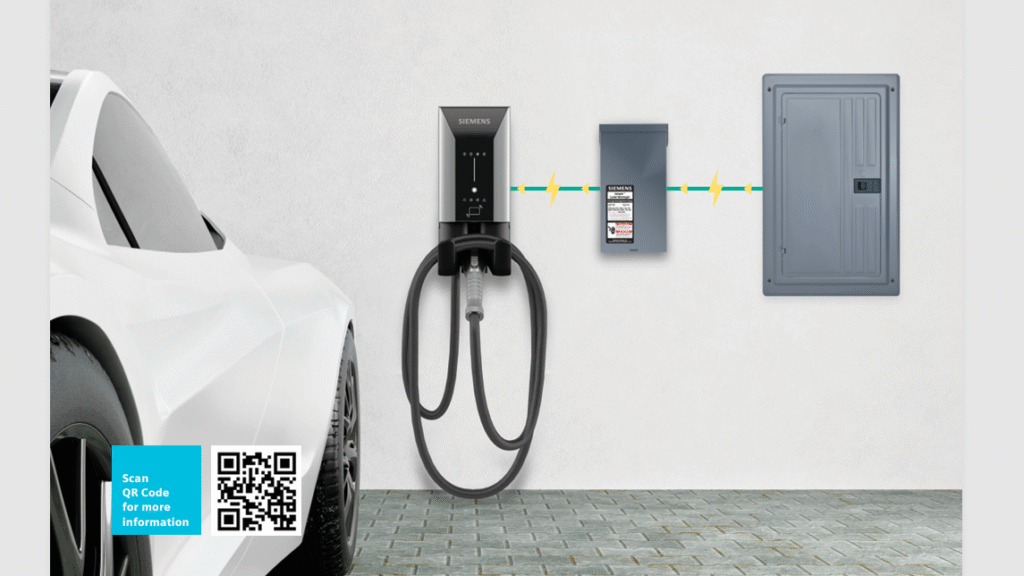

Electric Vehicle Supply Equipment (EVSE) chargers are essential for keeping electric vehicles powered and ready to go. Unlike public charging stations, a home EVSE charger offers convenience and cost savings. They come in different power levels, typically Level 1 and Level 2. Level 1 chargers use a standard household outlet (120V) and are slower, while Level 2 chargers operate at 240V, providing significantly faster charging speeds. Choosing the right size charger depends on your vehicle’s battery capacity, daily driving habits, and available electrical infrastructure in your home.
How to Correctly Size
Determining the correct charger size starts with understanding your EV’s onboard charger and maximum charging capacity. Most EVs are compatible with Level 2 chargers rated between 16 to 50 amps. A 32-amp charger is often sufficient for daily use, providing a balance between charging speed and cost. Higher amperage chargers, like 40 or 50 amps, are beneficial for vehicles with larger batteries or households with multiple EVs. However, your home’s electrical system must support the charger’s power draw, requiring a dedicated circuit and potentially an electrical panel upgrade.
Determining Charge Time
Charge time depends on battery size, charger power output, and how much energy the battery needs. A Level 1 charger adds about 3–5 miles of range per hour, making it impractical for daily commuting unless charging overnight. Level 2 chargers, on the other hand, deliver 15–40 miles per hour, allowing most EVs to fully charge within 4–10 hours. The higher the amperage, the faster the charge, but diminishing returns may occur depending on the car’s charging capabilities.
Proper Charging Techniques
Proper charging techniques help extend battery life and optimize efficiency. It’s best to maintain battery charge levels between 20% and 80% to reduce long-term degradation. Avoid frequent use of DC fast charging, as it generates excessive heat and can wear down battery cells over time. Installing a smart charger with scheduling capabilities can help charge during off-peak hours, saving money on electricity costs. A well-chosen home EVSE charger ensures convenient, cost-effective charging while promoting battery longevity.