
A Basic Guide to Replacing Outdated Electrical Systems
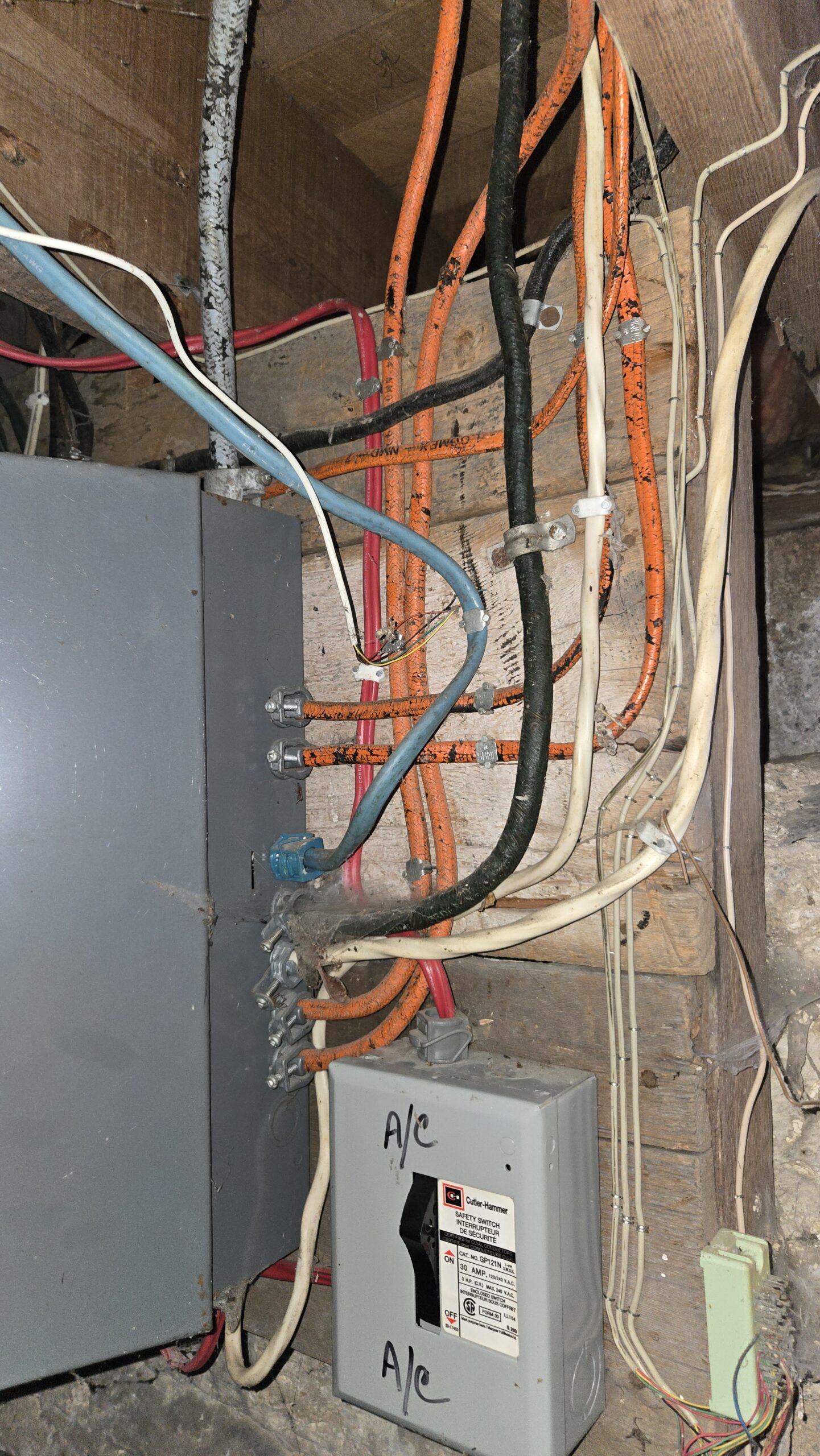
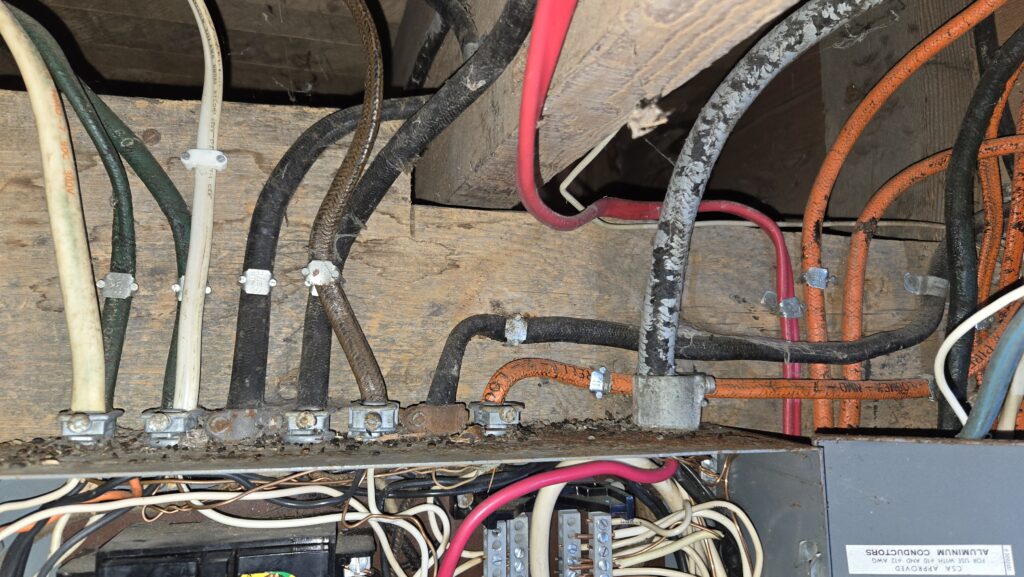
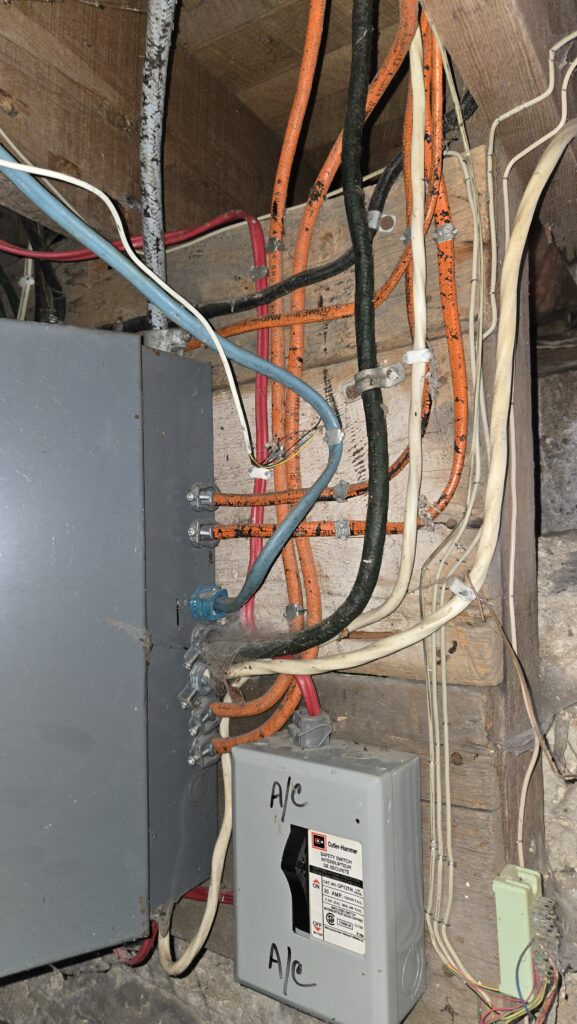
Many older homes come with charm and character, but they often hide a hidden danger behind the walls: outdated electrical wiring. If your home still uses systems like Knob-and-Tube (K&T) or early Non-Metallic Sheathed Cable (NMD-3) from the 1960s or earlier, a complete replacement is crucial for safety and functionality. Upgrading these systems is one of the most important investments you can make in your home’s infrastructure.
The Fire Hazards of Aged Wiring
The primary reason to upgrade old wiring is to mitigate severe fire risks. NMD-3 cables from previous decades often have insulation that becomes brittle and cracks over time due to heat cycles and age. This exposes the live copper wire, creating an immediate fire hazard within your walls. Similarly, the insulation used in K&T systems can degrade, and the components were not designed to handle the electrical loads of a modern household, leading to overheating and potential fires.
Shock Safety and the Lack of Grounding
Modern electrical codes require grounded circuits for safety. Both K&T and early NMD-3 wiring lack a ground wire. The ground wire provides a safe path for excess electricity in the event of a fault. This causes tripping of the circuit breaker and prevents electric shocks. Ungrounded outlets mean that appliances and devices cannot safely dissipate electrical surges, posing a significant shock risk to you and your family, and potentially damaging sensitive electronics.
Under-Sized Conductors and Modern Demand
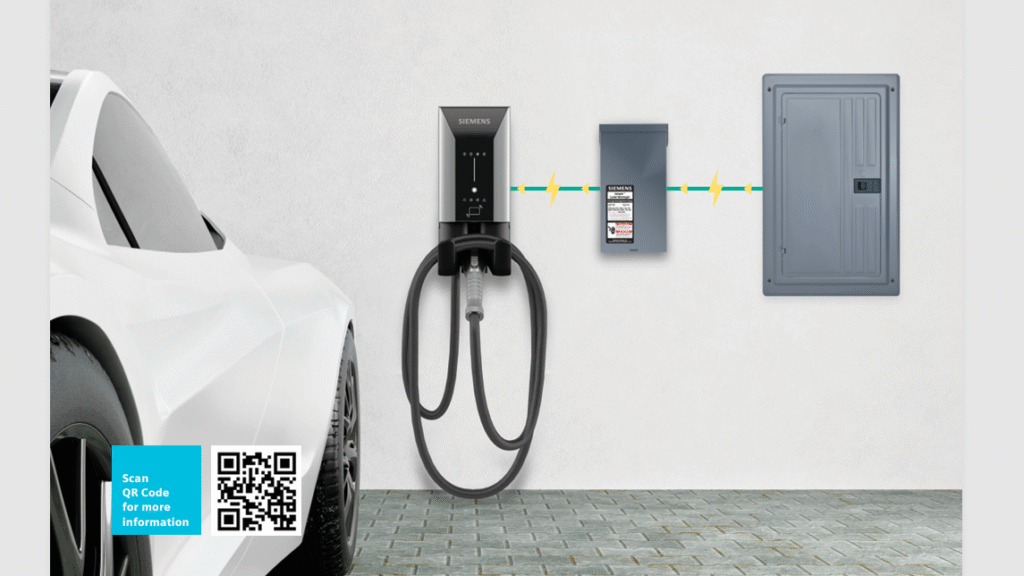
The electrical demands of the mid-20th century were far lower than today. Older homes were wired with smaller gauge conductors designed for a few light bulbs and perhaps a television. We now rely on countless high-draw devices—computers, microwaves, HVAC systems, and electric vehicle chargers. Trying to power a modern home through undersized conductors causes the system to work harder, generating excessive heat and increasing the risk of overloaded circuits and electrical failure.
Addressing the Risks of Aluminum Wiring
Homes built primarily between 1965 and 1973 might have aluminum wiring installed as a cost-saving alternative to copper. While aluminum wiring itself isn’t inherently unsafe, it presents unique hazards at connection points. Aluminum expands and contracts more than copper when heated by electrical current. This constant movement causes connections at outlets, switches, and junction boxes to loosen over time. This long-term arching, sparking, and significant heat build-up can be the primary cause of electrical fires related to this wiring type.
The Benefit of a Complete Rewire
Replacing your old wiring with a modern 14-gauge (or larger) NMD-90 cable system resolves all these issues simultaneously. A full rewire ensures all connections are secure, grounded, and sized correctly for your power needs.
The benefits extend beyond safety:
- Insurance & Resale Value: Many home insurance companies will deny coverage or charge exorbitant premiums for homes with Knob and Tube wiring or unmitigated aluminum wiring. Upgrading makes your home safer, insurable and significantly boosts its resale value.
- Reliability: You eliminate nuisance tripping of breakers and flickering lights, ensuring a stable and reliable power supply throughout your home.
Don’t wait for an electrical incident to force your hand. Consult a us today to evaluate your wiring systems and invest in the safety of a modern, compliant electrical system.