

Hire an Electrician for Hot Tub Power: 5 Warning Signs You Shouldn’t Ignore
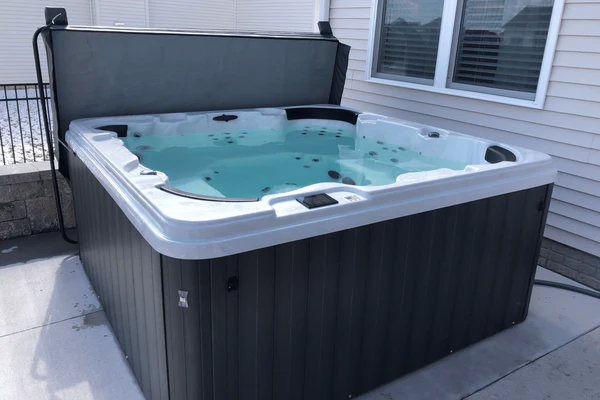
A hot tub is supposed to be relaxing. But if you’re not sure the power setup is safe, that calm feeling disappears fast. Hot tubs pull a lot of electricity, and many models run on 240V. Add water, wet feet, and outdoor wiring, and guessing becomes a real risk.
If your hot tub is new, moved, or “mostly working,” it’s easy to talk yourself into waiting. Don’t. Below are five clear signs it’s time to contact a Blue Spark licensed electrician for hot tub power, plus what a pro will check and how to get ready for a smooth quote.
Before the signs, what “normal” hot tub power should look like
A safe hot tub electrical setup is boring, and that’s the point. You want stable power, proper protection, and equipment that matches the hot tub’s manual, not a best guess. Most of these are referenced in electrical safety codes which hot tub electricians have to follow.
Most all hot tubs need:
- A dedicated circuit (the hot tub is the only thing on that breaker)
- The correct breaker size based on the hot tub’s rated amps
- Correct wire gauge for the load and the distance
- GFCI protection, often built into a spa disconnect or GFCI breaker
- A spa disconnect placed within sight of the tub, but not too close (ESA safely rules)
“Dedicated circuit” matters because a hot tub load isn’t like a lamp. When the heater and pumps kick on, the current can jump. If that circuit also feeds outlets, a fridge, a garage heater, or a few lights, you can overload the wiring or create voltage drop. That can damage equipment and create heat where you don’t want it.
Always follow the hot tub manufacturer’s wiring diagram and your local electrical safety codes. If they conflict, the experts at Blue Spark Electrical can help you sort it out the right way.
Dedicated circuit, correct breaker, correct wire size (the simple checklist)
You don’t need to wire anything yourself to spot red flags. Here’s what to verify:
- Check the hot tub data plate or manual for voltage and amps
- Look at the panel label and breaker handle to confirm it matches
- Confirm the circuit serves only the hot tub, not “spa plus outlets”
Common problems to watch for include an oversized breaker (it may not trip when it should), a long run using wire that looks too small for the distance, or multiple loads sharing the same breaker. These issues are something a qualified electrician can decide based on the equipment.
GFCI protection and a spa disconnect are not “nice to have”
A GFCI shuts power off fast if it senses current leaking where it shouldn’t, like through wet ground or a person. That’s why hot tubs need GFCI protection.
Many areas also require a disconnect outdoors, within sight of the hot tub, so power can be shut off quickly for service. The “not too close” part is about reducing the chance someone can reach the switch while in the water. A Blue Spark hot tub electrician will know the clearance rules where you live and how to install weather-rated parts.
Hire an electrician? 5 signs your hot tub power needs a pro
Sign 1: Breaker trips, GFCI won’t reset, or it trips during heat or jets
Maybe it trips when the heater turns on. Maybe the jets start and the power cuts. Some people notice it after heavy rain, or it feels random. In all cases, tripping is your system saying, “Something isn’t right.”
Possible causes include an overloaded circuit, a equipment or wiring fault, water getting into equipment, a failing heater element, or even a weak breaker that can’t hold under load.
The unsafe move is resetting it again and again. Repeated resets can hide a real fault and stress parts that are already overheating. Safest next step: stop using the hot tub, turn it off at the breaker. Time to call us at Blue Spark for a hot tub electrician who can test the circuit and the tub under load.
Sign 2: You smell burning, see discoloration, or hear buzzing or crackling near the panel or disconnect
These signs tend to show up as small clues at first. A faint hot-plastic smell near the panel, a breaker that feels warm, browned plastic on a disconnect, or a buzzing sound that wasn’t there last month.
That often points to loose connections, arcing (electricity jumping across a gap), or overheating. Loose wires can act like a bad handshake, high resistance, extra heat, and damage that keeps getting worse.
Safest next step: shut off power (use the main shutoff if you can do it safely), don’t touch scorched or melted parts, and call a licensed electrician right away. If you see smoke or active sparking, treat it as an emergency.
Sign 3: Lights dim, outlets act weird, or other circuits flicker when the hot tub runs
If the hot tub turns on and the house lights dip, that’s not “just how it is.” It can mean voltage drop from a long run, an undersized wire, a shared circuit, or a service that’s already near its limit.
A common setup is an older home with 100-amp service adding a 40- to 60-amp hot tub circuit. The tub might still run, but the rest of the house feels it. That kind of strain can shorten the life of motors, heaters, and electronics inside the spa pack.
Safest next step: stop using the hot tub until someone checks the load calculation and voltage under load. An electrician can confirm if you need heavier wire, a new feeder, or a service or panel upgrade.
Sign 4: It was DIY, a “handyman” install, or you cannot confirm permits or inspection
Hot tub wiring looks simple until you get into the details. Outdoor conduit needs the right fittings. Grounding and bonding have rules that people skip. Disconnect placement matters. Some installs require permits and an inspection, and that paper trail protects you as much as it protects the next homeowner.
Hidden issues show up a lot in unverified installs, like the wrong wire type outdoors, missing bonding to nearby metal parts, incorrect neutral and ground handling in a subpanel, or a GFCI that isn’t wired correctly.
Safest next step: schedule a Blue Spark licensed electrician to inspect the setup and bring it up to code. It can cost less than repairing a damaged spa pack later, and it’s far cheaper than an injury.
Sign 5: You are changing anything, new hot tub, moving it, upgrading to 240V, or adding a subpanel
Changes are where people get burned, sometimes literally. A new hot tub may need different amps than the old one. Moving the tub can turn a short run into a long run, which changes wire sizing. Switching from a 120V plug-in spa to a 240V hardwired model is not a small tweak.
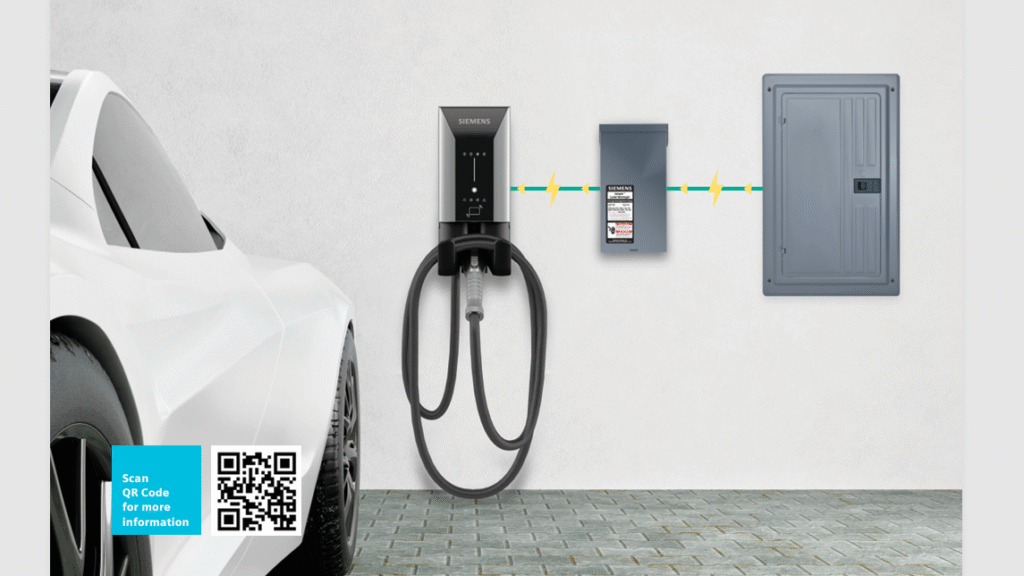
Even “unrelated” upgrades matter. Adding a patio kitchen, a heater, or an EV charger can change how much capacity your panel has left.
Safest next step: call a Blue Spark electrician before you buy or move anything. Planning first can save you from redoing conduit, trenching twice, or finding out too late that your panel is full.
What the electrician will do, what it may cost, and how to get ready
A good hot tub electrician at Blue Spark won’t guess. They’ll check your home’s capacity and confirm the install matches the manual and local code. Expect them to review panel capacity and breaker space, confirm wire size and type, inspect conduit and weatherproofing, test GFCI function, and verify grounding and bonding. They should also measure voltage at the tub while it’s running, not only with the power off.
Costs vary a lot by distance, access, trenching, and whether the panel needs work. Many homeowners see ballpark ranges like $500 to $2,500 for a straightforward circuit and disconnect, and $2,000 to $6,000 or more if you need trenching, a subpanel, or a service upgrade (plus permit fees where required). The quote should explain what drives the price.
Questions to ask before you hire (so you get a safe, code-correct install)
- Are you licensed and insured for electrical work in my area?
- Will you pull the permit and handle the inspection?
- Have you wired this hot tub brand or model before?
- Will you install GFCI and a spa disconnect per local code?
- What breaker and wire size will you use, and why?
- Will you test voltage under load after installation?
How to prep for the quote to save time and money
- Have the hot tub model, manual, and electrical specs ready
- Measure the distance from the panel to the hot tub location
- Note the likely path for conduit or a trench, and any obstacles
- Take photos of your electrical panel and nearby wall space
- Identify where the disconnect could go (within sight, not too close)
Avoid opening the panel if you’re not trained. Photos from the outside are usually enough for a first pass.
Conclusion
Hot tubs and electricity can mix safely, but only when the setup is right. If your breaker trips, the GFCI won’t reset, you notice burning smells or buzzing, lights flicker when the tub runs, the install has no permits, or you’re making changes, it’s time to call a pro. The safest rule is simple: if anything seems off, stop using the tub and hire a licensed electrician to check the power. A quick inspection now can protect your hot tub, your home, and everyone who steps into the water.