
Level 1 vs. Level 2 EV Chargers: Which One Fits Your Daily Drive?
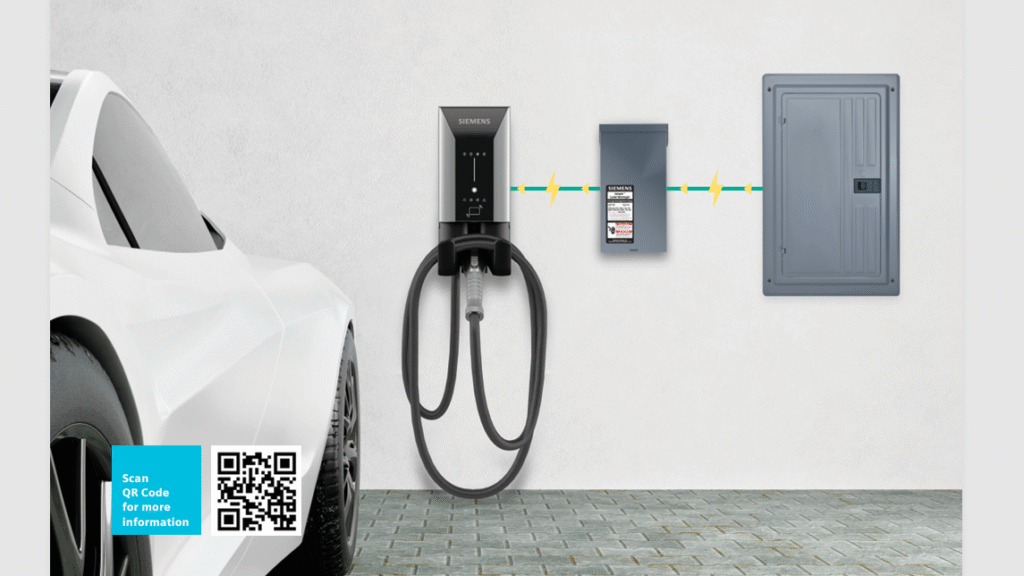
Buying an EV is fun, picking a home charger can feel weirdly stressful. Most drivers aren’t trying to max out charging speed, they’re trying to answer one question: Will it cover my daily miles without stress?
That’s where Level 1 vs. Level 2 EV charging comes in. Level 1 is the simple plug-in option that uses a regular outlet. Level 2 is the faster home charging setup that uses a 240V circuit (the kind your dryer might use). Both can work, but they fit different routines.
This guide compares charging speed, real-life convenience, cost, install needs, and the types of drivers each level suits best, so you can pick the option that matches your week, not someone else’s.
Level 1 vs. Level 2 EV charging basics (what they are and how fast they really charge)
At home, “Level 1” and “Level 2” mostly describe the power source, which shapes how fast your battery refills.
Level 1 charging uses a standard 120V household outlet. In many cases, it’s the portable charging cord that came with your EV. It’s the slow-and-steady choice, like filling a pool with a garden hose. If your car sits parked for long stretches, slow can still be plenty.
Level 2 charging uses a 240V circuit and usually a wall-mounted charger (also called EVSE). It’s more like turning on a wider faucet. You add range much faster, which changes how you plan your day. Quick top-ups become normal, and “I forgot to plug in” stops being a big deal. The caveat is you need service panel capacity.
Real-world charging speed depends on:
- Your EV’s onboard charger (some cars can’t accept higher rates)
- The charger’s amperage (for Level 2)
- Battery temperature (cold batteries charge slower)
- How full the battery is (charging often slows near the top)
A simple way to think about it is miles of range added per hour. The exact number varies by EV efficiency, but these ranges are easy to remember:
| Charger type | Power source | Typical miles added per hour | What that means overnight (8 to 10 hours) |
|---|---|---|---|
| Level 1 | 120V outlet | 2 to 5 miles | Roughly 16 to 50 miles |
| Level 2 | 240V circuit | 12 to 40 miles | Roughly 96 to 400 miles |
That overnight line is the key. Most people don’t “fast charge” at home, they slow charge while they sleep. If your overnight refill covers what you drive, you’re done.
Level 1 charging in plain English, outlet, typical miles per hour, and best use cases
Level 1 is the lowest-effort option. You plug the charging cord into a normal outlet, then into the car. No special equipment is required beyond what many EVs already include.
For many EVs, Level 1 adds about 2 to 5 miles of range per hour. That sounds tiny until you multiply it by time. Ten hours parked can mean 20 to 50 miles back in the battery.
Level 1 tends to work well for:
- Short commutes (think 10 to 30 miles a day)
- People who park at home for long stretches (overnight plus evenings)
- Plug-in hybrids with smaller batteries
- Renters or condo owners who can’t install a charger
- Anyone who wants the simplest setup to start
If you treat Level 1 like “background charging,” it can feel almost invisible, you just plug in and go on with life.
Level 2 charging explained, faster charging at home, common speeds, and what changes
Level 2 uses a 240V circuit, often on a dedicated breaker, and often with a wall charger. Some homes already have a suitable 240V outlet in a garage, but many installs require an electrician.
Typical Level 2 speeds land around 12 to 40 miles of range per hour, based on charger amperage and what your car can accept. Even at the lower end, it changes the rhythm of ownership. A few hours can refill a big chunk of your battery.
Level 2 shines when:
- You drive more miles per day and need a bigger nightly refill
- You want flexibility for errands after dinner
- Your EV has a larger battery
- You share charging with a partner or teen driver
- You want to reliably finish charging within a set time window
The biggest “change” is peace of mind. With Level 2, you stop thinking in nights, and start thinking in hours.
Which charger fits your daily drive? A quick decision guide based on commute, parking time, and lifestyle
A charger choice isn’t about what’s best on paper. It’s about your routine. Start with three pieces of info:
- Daily miles driven (use an average week, not your best day)
- Hours parked at home with access to the plug
- Whether you need a near-full battery by morning, or just enough for normal driving
If your EV sits at home for a long time, Level 1 gets more chances to catch up. If your schedule is tight, Level 2 gives you breathing room.
Also, most drivers don’t need 100% daily. A common pattern is charging between 20% and 80%, then topping up when needed. It’s like keeping your phone between “fine” and “full,” not chasing 100% all the time.
Do the simple math, daily miles vs. hours parked, and why overnight time matters most
Here’s an easy way to test Level 1:
- Take your hours parked (overnight plus any time at home)
- Multiply by 2 to 5 miles per hour
- Compare that to your daily miles
Example: You drive 25 miles a day and park 10 hours at home. Level 1 might add 20 to 50 miles overnight. That usually covers you, even if you start charging from 50% instead of empty.
Now flip it: you drive 60 miles a day and only park 7 hours at home. Level 1 might add 14 to 35 miles, which can leave you slowly falling behind during the week. That’s when Level 2 starts to feel less like an upgrade and more like the right tool.
One more practical point: if you often charge from 20% up to 80%, you’re not filling the whole battery. You’re just replacing what you used. That’s why “miles added overnight” is the number that matters most.
Real life factors that push you toward Level 2 (cold weather, bigger batteries, shared cars, and busy schedules)
Even if the math says Level 1 might work, real life can make it tight.
Cold weather is a big one. Winter driving can cut range, and cold batteries can charge slower. If you want your mornings to feel normal in January, Level 2 is a strong stress reducer.
Bigger battery EVs can use more energy each day, even if your commute is the same. Heavier vehicles and wider tires can also lower efficiency. A bigger “tank” is nice, but it can take longer to refill on Level 1.
Shared cars and shared chargers are another tipping point. If two drivers rely on one plug, slow charging can turn into daily scheduling. Level 2 makes it easier to rotate cars and still wake up ready.
Busy schedules and surprise trips matter too. If you get last-minute plans, kid pickups, or a sudden 90-mile round trip, Level 2 gives you the ability to add meaningful range between activities.
If your utility has time-of-use rates, Level 2 can help you fit more charging into cheaper off-peak hours. Instead of charging all afternoon at a trickle, you can schedule a faster session overnight.
Cost, installation, and safety: what it takes to charge at home without headaches
Home charging should feel boring, in a good way. Boring usually comes from safe wiring, the right outlet, and a setup that matches how often you charge.
Level 1 is typically the lowest cost because it often needs no new hardware. Level 2 usually costs more upfront because it often needs a dedicated circuit, and sometimes a panel upgrade.
Whatever you choose, don’t treat EV charging like plugging in a lamp. You’re pulling steady power for hours. The goal is a setup that stays cool, solid, and reliable.
Level 1 costs and safety checks (outlet quality, extension cords, and daily habits)
Level 1 can be “free” beyond what came with the car, but it still deserves a quick safety reality check.
A few simple habits help a lot:
- Use a good-condition outlet that grips the plug firmly
- Avoid cheap extension cords (they can heat up under long, heavy load)
- Keep the connection dry and protected from rain or snow
- If the plug or outlet feels warm or loose, stop and get it checked
If you can, use an outlet that isn’t shared with other heavy loads. A dedicated outlet helps reduce nuisance trips and heat buildup.
Level 2 costs, electrician install, and what to ask for (240V circuit, amperage, permits)
Level 2 often means hiring a Blue Spark electrician to add a 240V circuit, then either hardwiring a wall charger or installing a compatible outlet. Costs vary based on what your home needs. The big drivers are distance to the panel, panel capacity, and any trenching or conduit work for detached garages.
When you request quotes, ask clear questions:
- Do I need a panel upgrade, or is there space for a new breaker?
- What amperage makes sense for my car and my driving?
- Will you pull permits and handle inspection if required?
- Can you install for indoor or outdoor use (weather-rated parts)?
- Should the charger be hardwired or plug-in for my setup?
Smart chargers are optional, but useful if you want scheduling, off-peak charging, or basic energy tracking.
Conclusion
Level 1 vs. Level 2 EV chargers isn’t a battle, it’s a fit check. If you drive modest miles, park for long overnight hours, and want the simplest setup, Level 1 charging can cover your daily routine with minimal fuss. If you drive farther, deal with winter range drops, share a vehicle, or just want more freedom to charge in a few hours, Level 2 is often worth the added install effort.
Start with the simple stuff: estimate your daily miles, count how many hours your car sits at home, and compare that to the miles-per-hour ranges. If Level 2 looks like the calmer choice, get an Blue Spark electrician to give you quote and ask about permits and panel capacity. The best charger is the one that makes home charging feel easy.